
“Go green” isn’t just a buzz-word anymore—it’s the scorecard many Atlanta homeowners use to choose the right landscaping partner. A truly sustainable landscape does double duty: it turns your yard into a showpiece and gives something back to the planet. The tricky part is spotting the companies that actually live up to their eco-friendly claims. In the next few minutes, you’ll learn exactly what to look for and how Urban Nature Landscape keeps raising that bar—from conserving water to protecting local pollinators and reducing waste at every step.
What “Sustainable Landscaping & Hardscaping” Really Means
At its core, sustainable landscape design is the art of shaping outdoor spaces so they cooperate with nature instead of fighting it. Think of it as an eco-smart recipe:
- Less waste. We reuse and recycle stones, bricks, and pruned branches whenever possible.
- Water savings. Drip irrigation, rain-barrel hookups, and drought-tough plants trim your water bill without sacrificing curb appeal.
- Wildlife support. Native plant gardens become mini-sanctuaries for bees, birds, and butterflies, all while lowering maintenance.
- Long-term value. Healthier soil means stronger roots, cleaner air, and yards that bounce back after heavy Georgia storms.
Done right, sustainable hardscape elements—like permeable pavers and locally sourced flagstone—let rainwater soak into the ground, cutting runoff that can erode soil or flood storm drains. The payoff? A patio, fire pit, or outdoor kitchen that looks fantastic today and keeps your utility costs—and environmental impact—low for years to come. In short, sustainable landscaping isn’t just a design style; it’s a smart investment in your home, your wallet, and the planet all at once.
The 7 Pillars of a Truly Sustainable Landscaping Company
1. Eco-Friendly Materials & Permeable Hardscape
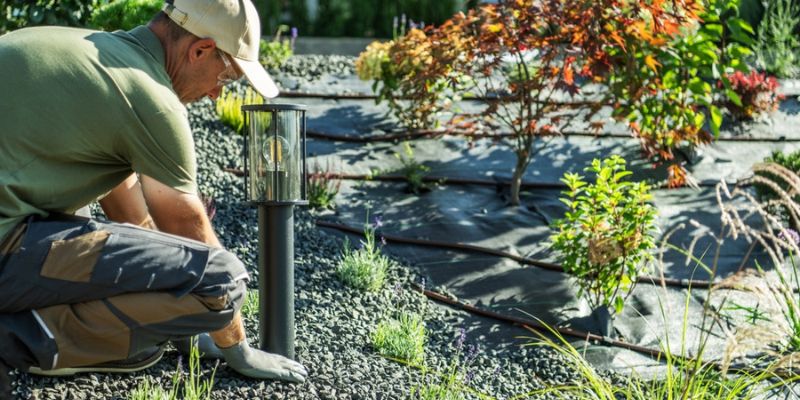
Concrete jungles create runoff that floods storm drains. Permeable pavers, reclaimed stone, and recycled composite decking let rain soak back into the soil. They also cut the heat-island effect—a bonus for steamy Atlanta summers.
2. Water-Wise Design & Smart Irrigation
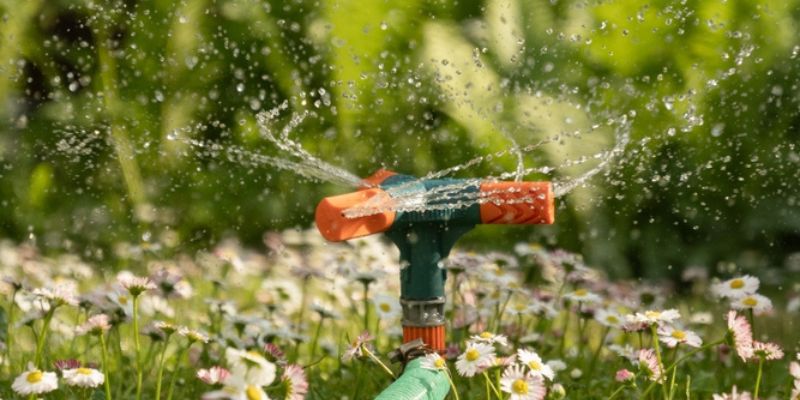
Drip lines, weather-based controllers, and rain-barrel tie-ins slash water use by up to 50 percent. Good designers group thirsty plants together and shade roots with mulch so you water less and worry less.
3. Soil Health & Erosion Control
Healthy soil acts like a sponge, holding nutrients and moisture. We boost it with compost, mycorrhizae, and leaf mold. On slopes, terraced beds, groundcover, and natural stone retaining walls stop topsoil from washing into the Chattahoochee.

4. Native Plant Gardens That Boost Biodiversity
Plants that evolved in Georgia’s Piedmont need less watering and zero chemical pampering. They feed local bees, butterflies, and songbirds. Plus, they bounce back fast after droughts—a win for resilience and ecological integrity.
5. Energy & Emissions
Battery-powered mowers and blowers cut noise and fumes. Route planning shrinks truck miles. Choosing regional suppliers lowers the carbon footprint of every stone and step.
6. Waste Reduction & On-Site Recycling
Grass clippings become mulch. Pruned branches turn into bio-logs or compost. Old concrete can be crushed into base material for a new walkway. Nothing useful heads to the landfill.
7. Community Outreach & Education
A sustainable company teaches, not just installs. From free pollinator-garden workshops to local school tree-planting days, giving back keeps green goals growing.
Atlanta-Specific Factors for a Green Landscape
- Climate zone: 8a – long, hot summers mean drought-tough plants like Georgia aster and sweet bay magnolia shine.
- Soil: Red clay holds nutrients but compacts fast. Aeration plus organic matter keeps roots breathing.
- Rainfall: Sudden downpours call for rain gardens and bioswales to slow, sink, and filter stormwater.
- Wildlife: Native oaks, milkweed, and cardinal flower support monarchs, goldfinches, and tree frogs unique to our area. Building with local eco-patterns protects environmental impact right where you live.
Step-by-Step Process to Designing Sustainable Landscapes
| Phase | What Happens | Why It Matters |
| 1. Discovery Call | Share goals, budget, and must-haves. | Align vision with eco-targets early. |
| 2. On-Site Eco-Assessment | Soil tests, sun mapping, drainage check. | Baseline data prevents guesswork. |
| 3. Concept Plan | Scaled layout showing plant zones, hardscape, and erosion control features. | Visualizes flow and function. |
| 4. Material Selection | Choose permeable pavers, FSC wood, or recycled composites. | Cuts embodied carbon |
| 5. Final Design Presentation | 3-D renderings and cost breakdown. | Confirms scope before shovels hit soil. |
| 6. Build & Restore | Low-impact equipment, minimal soil compaction. | Protects existing tree roots and ecological landscape design. |
| 7. Post-Project Care Kit | Watering schedule, organic fertilizer guide, and pollinator log. | Ensures long-term green landscape success. |
During every phase we keep circling back to our main goal: designing sustainable landscapes that look amazing and stay healthy with very little extra input.
Conclusion
A genuinely sustainable landscape is the result of dozens of interconnected choices: selecting locally sourced stone that reduces transport emissions, pairing climate-adapted plants with smart irrigation to conserve Atlanta’s water supply, and building soil health so each season requires fewer chemical inputs. When these pieces come together, the yard becomes a living system—one that lowers utility costs, buffers against extreme weather, and supports native pollinators long after the last paver is set.
By prioritizing permeable hardscapes, erosion-control strategies, and biodiversity-boosting plant palettes, Urban Nature Landscape demonstrates how environmentally responsible design can still deliver curb-appeal and long-term value. Homeowners who align with this approach often find that sustainable upgrades not only protect the planet but quietly raise property desirability and resilience year after year—a compelling blueprint for anyone serious about greener living.