

Atlanta’s steamy summers, clay-heavy soils, and periodic watering restrictions create a perfect storm for thirsty turf and wilting perennials. Clay can only absorb about ½ inch of water per hour, so over-watering literally sends money down the storm drain — and can trigger hefty sewer surcharges unless you install a dedicated irrigation. Add in the ever-present temptation to run sprinklers longer “just in case,” and you’ll understand why choosing, installing, and maintaining the best irrigation system isn’t a luxury; it’s the smartest way to protect your landscape investment and your wallet.
Below is a proven five-step process we use at Urban Nature Landscape to help Atlanta homeowners enjoy lush lawns, thriving plants, and lower water bills year-round.
The 5-Step Guide to a Worry-Free Irrigation Investment
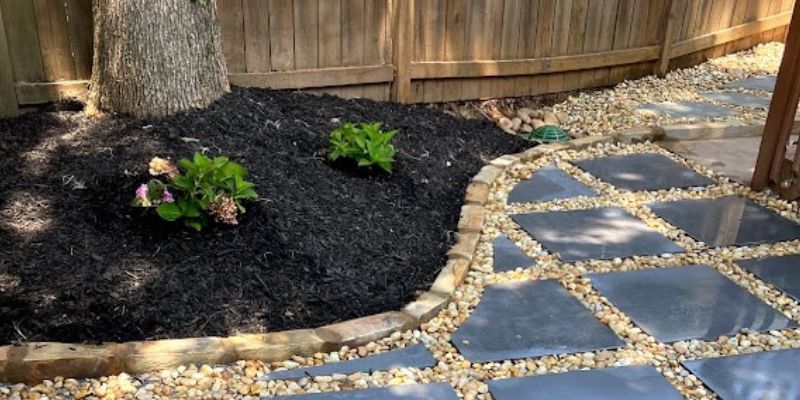
Step 1 – Evaluate Your Landscape & Soil Like a Pro
Before we lay a single pipe, we study slope, sun exposure, plant groupings, and—most importantly—soil composition. Most Metro Atlanta yards sit atop red-clay subsoil that drains slowly. We core-sample different zones, test infiltration rates, and look for compacted areas under big-leaf magnolias or well-traveled pathways. This detective work tells us the flow rate your yard can actually handle, preventing puddles and the fungal diseases they invite.
Local Tip: If you’re in Dekalb or Fulton County, ask the Extension Office for a free soil test kit; you’ll learn pH and organic matter levels that affect water retention.
Step 2 – Choose Smart, Water-Saving Hardware
High-efficiency nozzles, pressure-regulating heads, and matched-precipitation rotors deliver uniform coverage without misting away into the Georgia breeze. Smart Wi-Fi controllers adjust run times automatically based on evapotranspiration and real-time weather forecasts (yes, even pop-up summer thunderstorms). And because Atlanta’s building codes require rain sensors on new systems, we integrate rain-skip technology from day.
Pro Insight: Selecting components from the same manufacturer keeps parts compatible and warranties simple. It also helps you source replacements quickly when that rogue football snaps a spray head during a backyard tailgate.
Step 3 – Plan a Zoned Layout for Even Coverage
Imagine watering your shade garden the same as your full-sun Bermuda grass—not smart. We design zones by plant type, microclimate, and slope. Front lawns along Peachtree Street may need two short cycles at dawn, while the raised vegetable bed in Grant Park might thrive on drip. Zoning lets the controller tailor schedules to each area’s thirst level, so delicate azaleas aren’t soaked just because the turf was due.
Design Nugget: We stagger head spacing in a “head-to-head” pattern so every inch receives overlapping spray. That’s how golf courses achieve that velvety, uniform green without over-watering any single spot.
Step 4 – Set Up Seasonal Scheduling & Rain Sensors
Atlanta averages 47 inches of rainfall annually, but summer droughts can strike when Lake Lanier levels drop. Seasonal adjustment is your secret weapon. We program your controller’s “water budget” feature to scale run times up or down each month, then fine-tune weekly based on rainfall. Rain sensors stop the cycle the moment clouds open, saving up to 35 percent on outdoor water use every.
Money Saver: Pairing a soil-moisture probe with a smart controller can slash irrigation costs further by watering only when the root zone truly needs it—never because a timer says so.
Step 5 – Maintain, Monitor & Audit Annually
Even the best irrigation system needs TLC. Each spring we perform a 15-point inspection: checking pressure at the backflow preventer, cleaning nozzle screens, recalibrating sensors, and revisiting zone schedules as plants mature. Mid-season, we audit distribution uniformity with catch-cups to confirm every rotor still hits its mark. Finally, fall blow-outs protect your lines from rare but destructive hard freezes that Metro Atlanta occasionally sees.
Disaster Prevention: A pinhole leak can waste 6,000 gallons a month—and trigger a four-figure water bill like Sandy Springs homeowner Kelly Walker learned the hard way last. Early leak detection pays for itself.
Types of Irrigation Systems Atlanta Homeowners Should Know
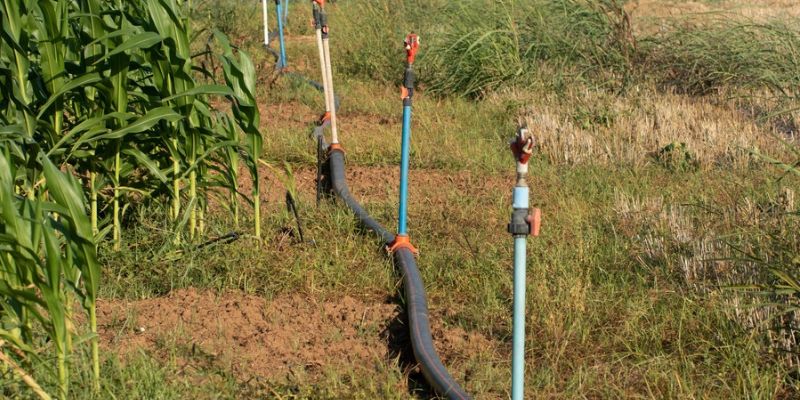
Every yard is unique, so the best irrigation system for your neighbor may not be the right fit for you. Here’s a quick-start guide to the seven most common options we install across Metro Atlanta, plus the local pros and cons of each.
1. Spray (Fixed-Spray) Systems
These pop-up heads deliver a fan-shaped mist that blankets small, flat lawn sections—perfect for courtyard lawns in Midtown. Because Atlanta’s red-clay soil seals quickly, we program run times in short cycles (5-8 minutes) to prevent runoff. Fixed-spray systems are budget-friendly, but they lose efficiency in windy summer.
2. Rotor & Gear-Drive Heads
Rotors throw slow, rotating streams 25–45 feet, making them the go-to for wide front lawns in Buckhead or Druid Hills. Their lower precipitation rate lets clay soils absorb water without puddling, and fewer heads mean reduced.
3. High-Efficiency MP Rotators
Think of these as “mini-rotors” that retrofit onto spray bodies. Multiple pin-sized streams water evenly at half the flow of old-school sprays, cutting outdoor use by up to 30 percent—handy when Fulton County declares drought.
4. Drip & Micro-Drip Lines
Flexible tubing delivers water straight to the root zone—ideal for azalea beds in Virginia-Highland or raised veggie boxes in Grant Park. Drip systems are exempt from many Metro District watering bans because they lose almost zero water to.
5. Subsurface Drip (SSD)
Buried emitters hide beneath Zoysia sod, pushing moisture upward so you’ll never see spray or overshoot sidewalks. SSD is pricey up-front but wins on stealth and water savings—great for HOA-regulated front yards that must stay picture-perfect.
6. Soaker Hoses
Porous rubber hoses ooze water slowly into seasonal beds—an inexpensive, plug-and-play solution for DIY herb gardens on the BeltLine. They’re not automated, so remember to shut them off during those surprise summer downpours.
7. Smart Hybrid Systems
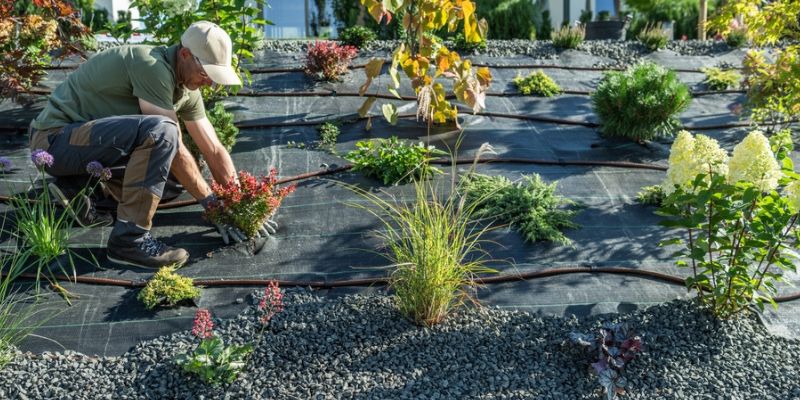
Our most requested setup combines rotors for turf, drip for planting beds, and a Wi-Fi controller with rain-skip and soil-moisture sensors. This hybrid often earns the title of irrigation system on intown audits because it tailors output zone-by-zo
ne while slashing water bills.
Bottom line: matching the system to Atlanta’s distinctive climate, clay soils, and local watering rules is key. Need help deciding? Urban Nature Landscape designs, installs, and maintains every option above—so you get exactly what your landscape (and budget) needs to thrive.
Keep Your Atlanta Landscape Thriving
Smart irrigation isn’t just about sprinklers—it’s about stewardship. By sizing up your soil, choosing water-wise gear, zoning thoughtfully, tweaking schedules with the seasons, and giving your system a yearly check-up, you can turn Atlanta’s unpredictable weather into an ally rather than an enemy. The reward? A healthier lawn, happier plants, and utility bills that don’t spike with every summer heatwave.
So whether you’re eyeing a full smart-controller upgrade or simply planning to fine-tune your current layout, remember: adopting the best irrigation system practices is an investment that pays you back in curb appeal, resale value, and peace of mind. Here’s to greener grass, flourishing flowerbeds, and more time relaxing on the porch while your landscape takes care of itself—one perfectly timed cycle at a time.